Cuptural
Coffee Roasters
Single Origin · Islas Canarias
SINGLE
ORIGIN
Ethiopia · Colombia · Brazil · Canarias · Direct Trade · Traceability
Ethiopia
Yirgacheffe District · East Africa · 1,800–2,200 m
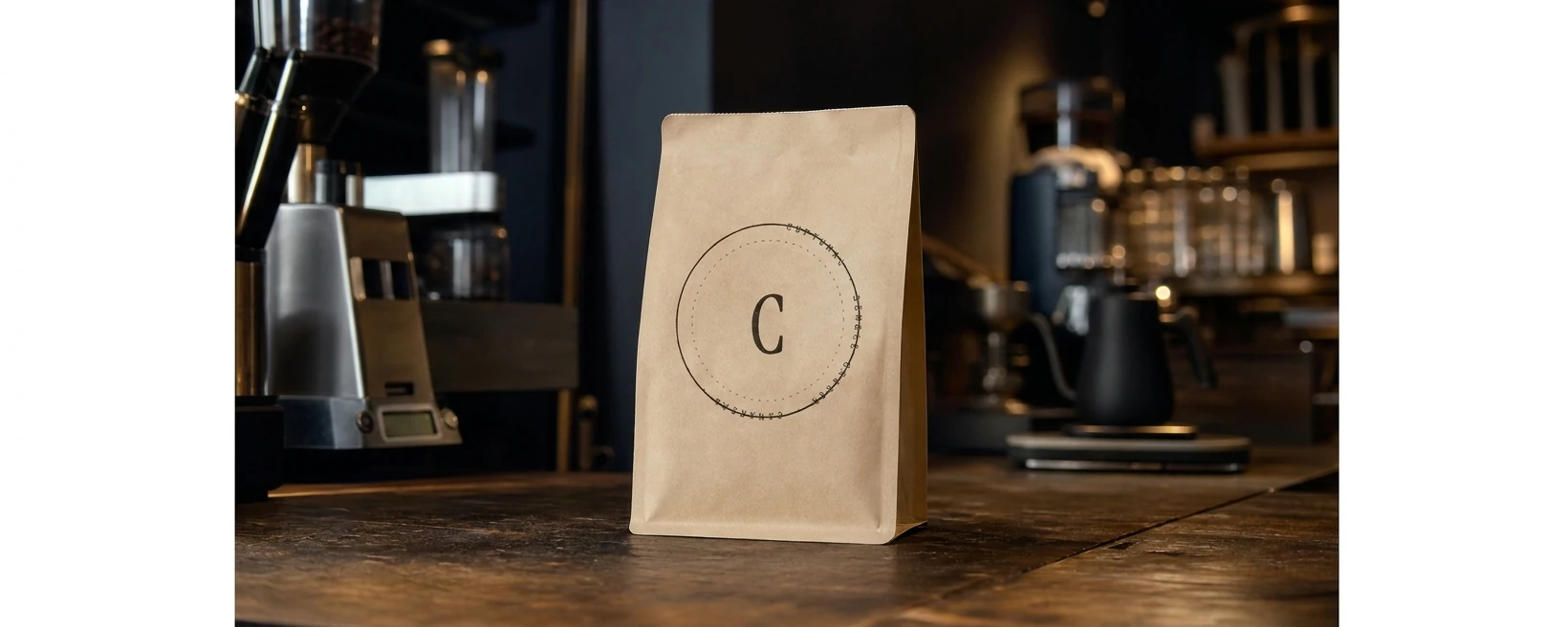
Monogram — Stamp Seal · Bag label · Debossed wax seal · Hang tag
Cuptural
SINGLE ORIGIN · CANARIAS · 250 g · 1 kg · FLAT-STAMP
Instrument Serif — Wordmark · Origin Names · Rationale
Ethiopia
Sidamo
Origin names. The wordmark. Running rationale. Never deployed for specification data — the letterforms carry character at both the display scale of an origin name and the reading scale of a wholesale catalogue. The rustic register refused entirely.
Bricolage Grotesque — Label System · Specification Data
Altitude
1800–2200m
Yirgacheffe District · East Africa
200 weight carries provenance. 800 weight is specification fact. No midweight anywhere — the contrast between registers is where the system finds its nerve.
Lava dominates. Oxide cuts once. The three between carry the system without announcing themselves.
Lava
#1A1512
Basaltic. Makes every other decision in relation to itself — you don't use Lava, you work against it. The ground that gives Oxide its temperature and Pumice its weight.
Pumice
#EDE8DF
Cooled ash pressed to a sheet. Warm enough to read as material — pale enough to disappear behind the type and let the origin speak first.
Obsidian
#3C3028
The glass layer between Lava and Pumice. Altitude figures, lot codes, the copy that makes a provenance claim provable — Obsidian is the colour of traceability.
Tuff
#877E76
Volcanic tuff: porous, compacted, quiet. Where origin poetry softens into geography — sub-region names, harvest notes, the secondary lines that earn their place by being specific.
Oxide
#7C3020
Iron drawn upward by geological heat, not applied. A horizontal rule beneath the wordmark; a seam separating origin name from specification data. Each placement structural — the moment you reach for Oxide as decoration, the system breaks.
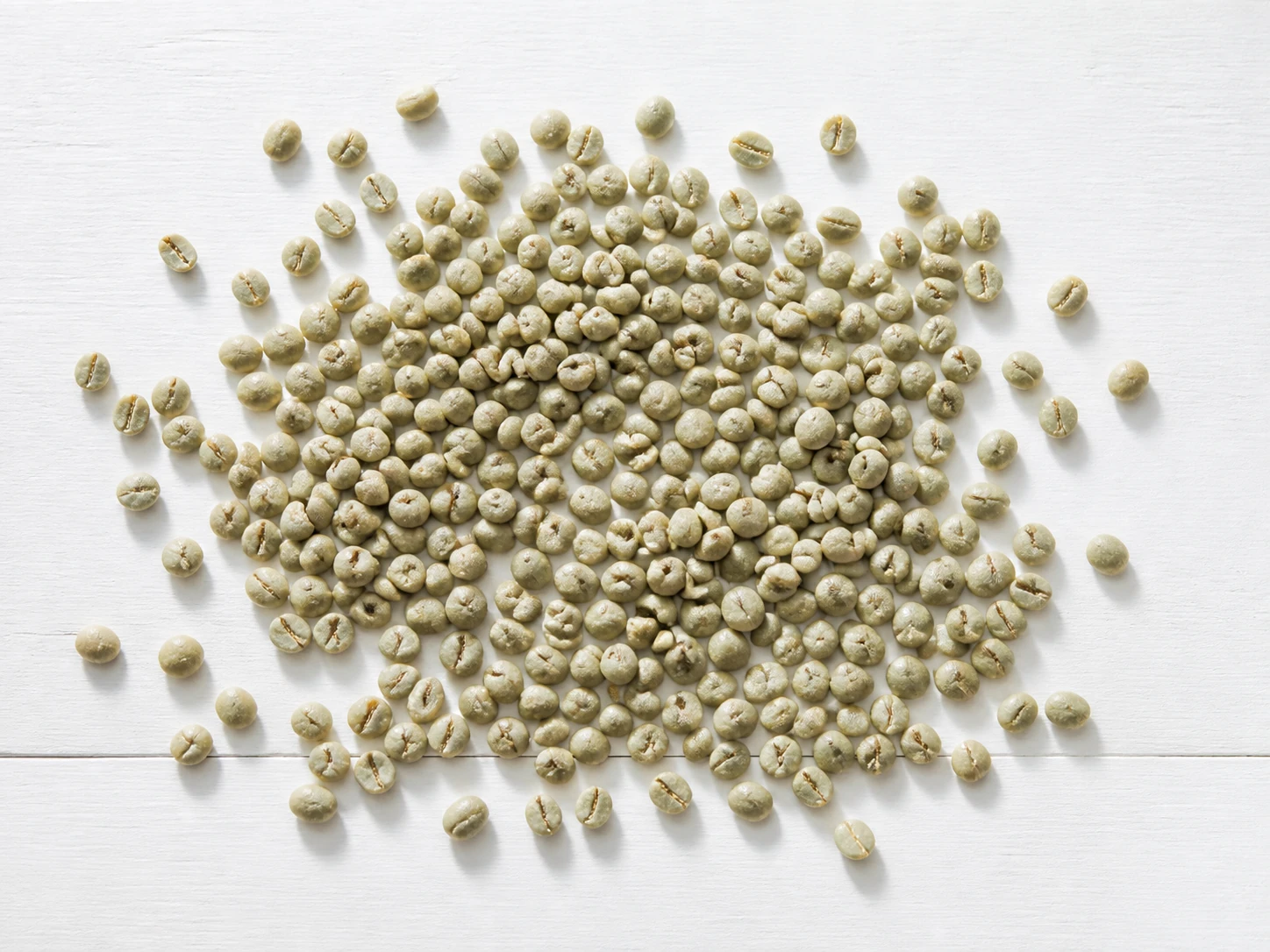
The chain begins before the label — green-grade, single-origin lots selected by cup score
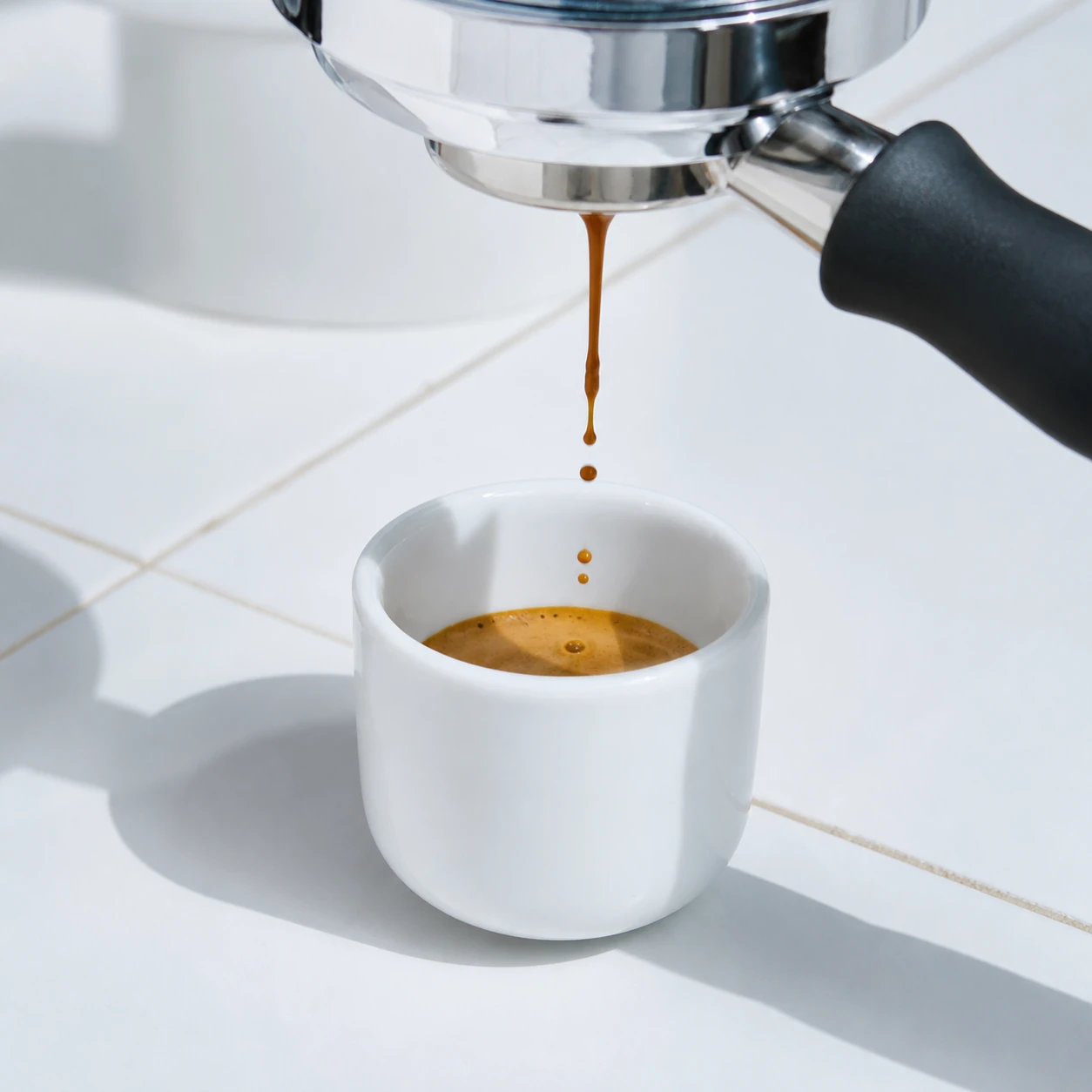
05 — Detail · Print Finish
Ethiopia Sidamo,
Lot 240.
This is where the chain closes.

The archipelago is present
in every label,
never once depicted.
Cuptural roasts on volcanic ground — basaltic lava fields, pumice and tuff, iron-oxide red in the earth beneath the islands. Five names drawn from that geology become five roles in the identity: Lava, Pumice, Obsidian, Tuff, Oxide. The Canary Islands don't produce the bean; the identity system treats that as an asset, not an excuse. Origin is cartographic fact; the archipelago is the decision-point — and a decision-point with geological weight is worth naming precisely.
The typographic strategy refuses the rustic-artisan register entirely. Instrument Serif anchors the wordmark with the quiet authority of a fine-press edition; Bricolage Grotesque drives the labelling system at its extremes — 200 weight for provenance poetry, 800 weight for specification data. IBM Plex Mono converts the traceability layer from fine print into typographic fact. Three faces that travel from a 250g matte bag to a wholesale catalogue without losing their voice.
Oxide appears in exactly two structural positions: the rule beneath the wordmark, the seam separating origin name from specification data. Not decoration. A seam. When you have something worth saying, the container should disappear.